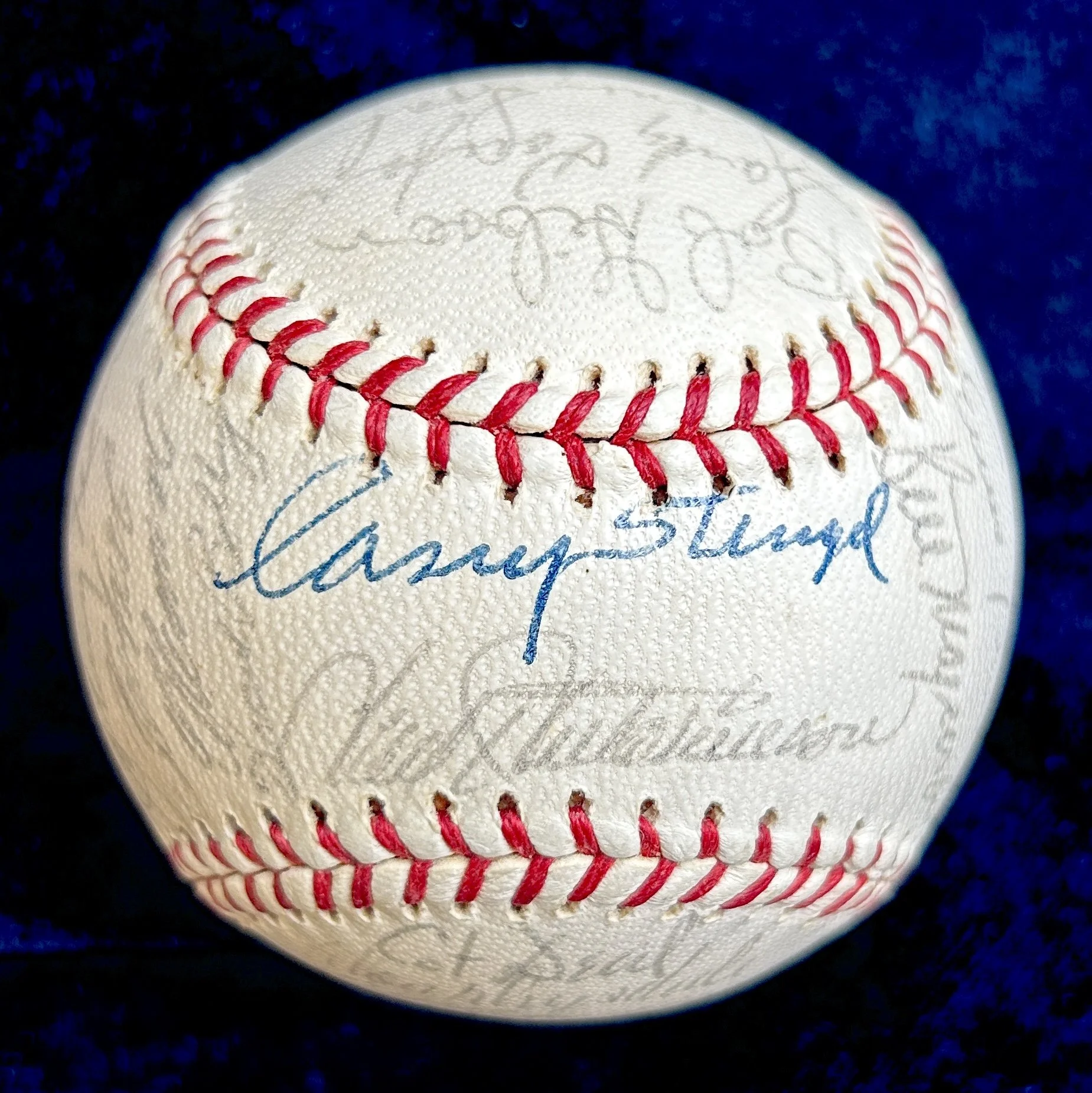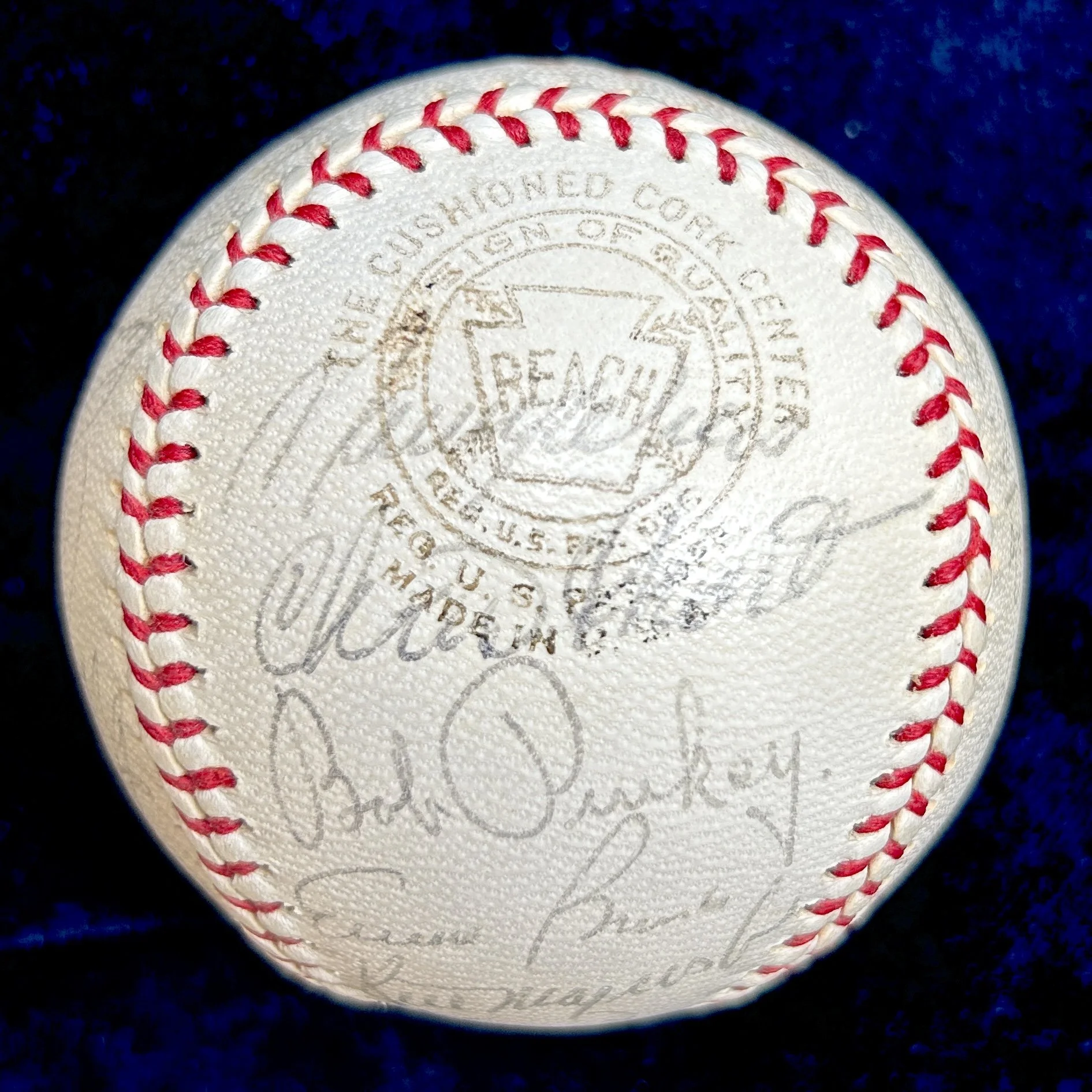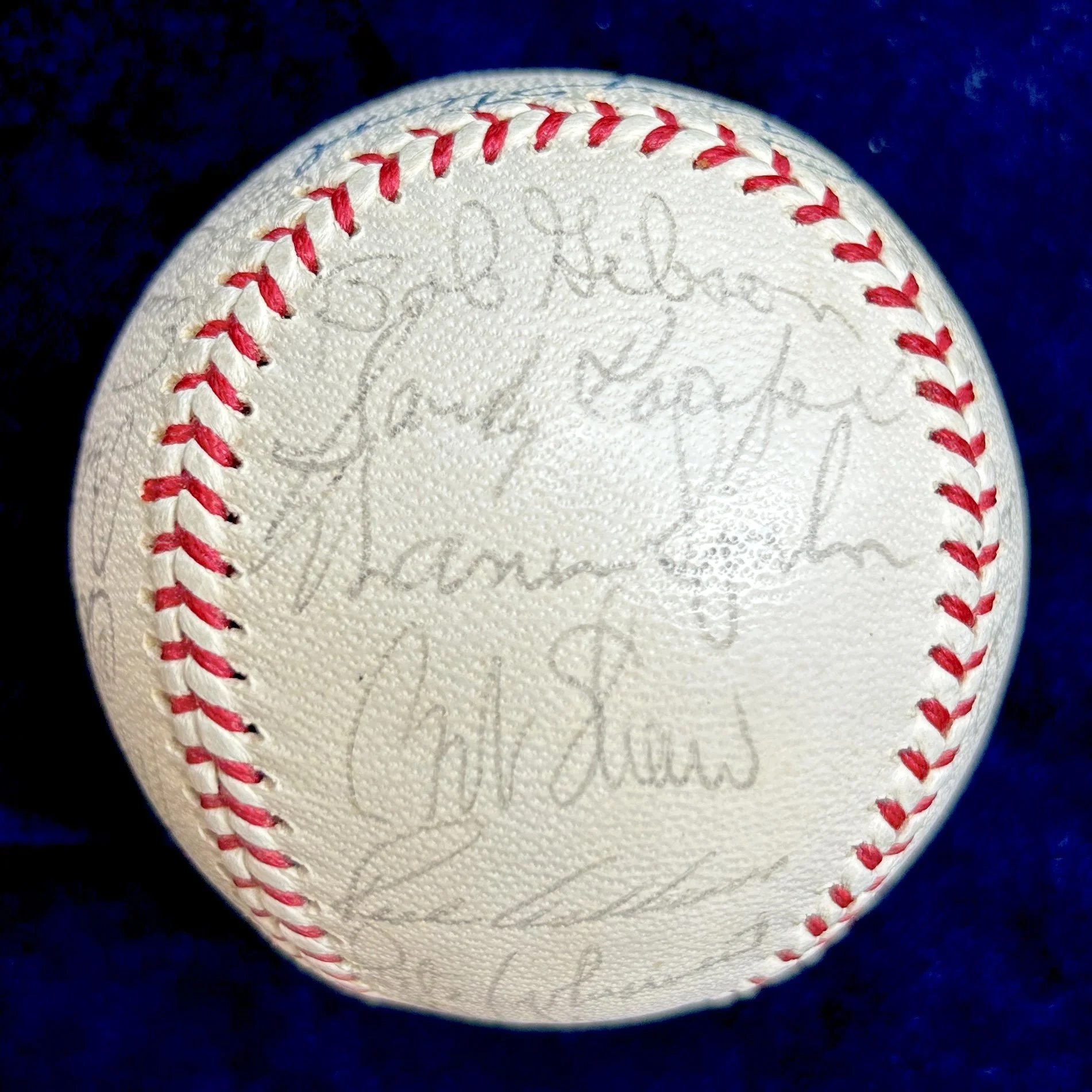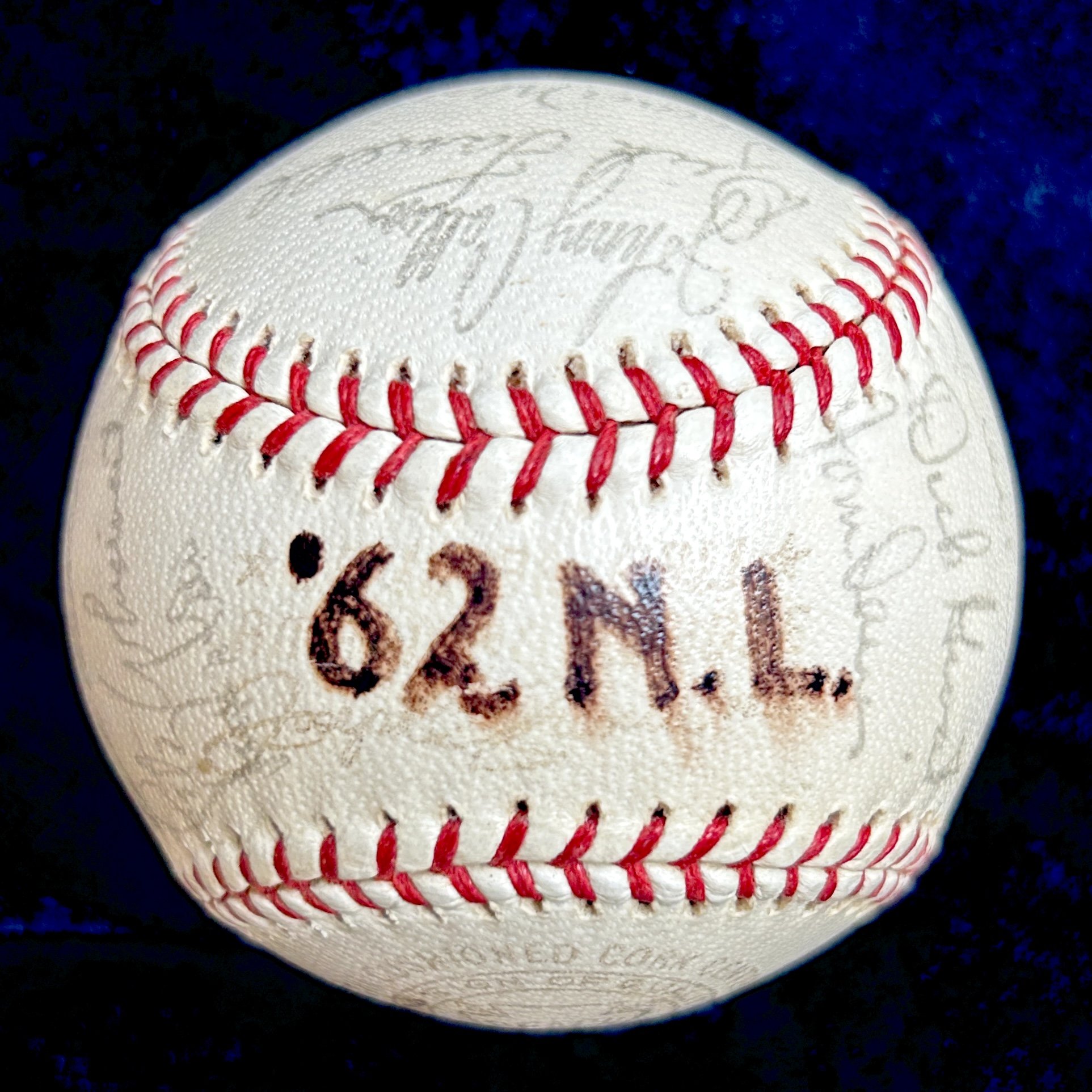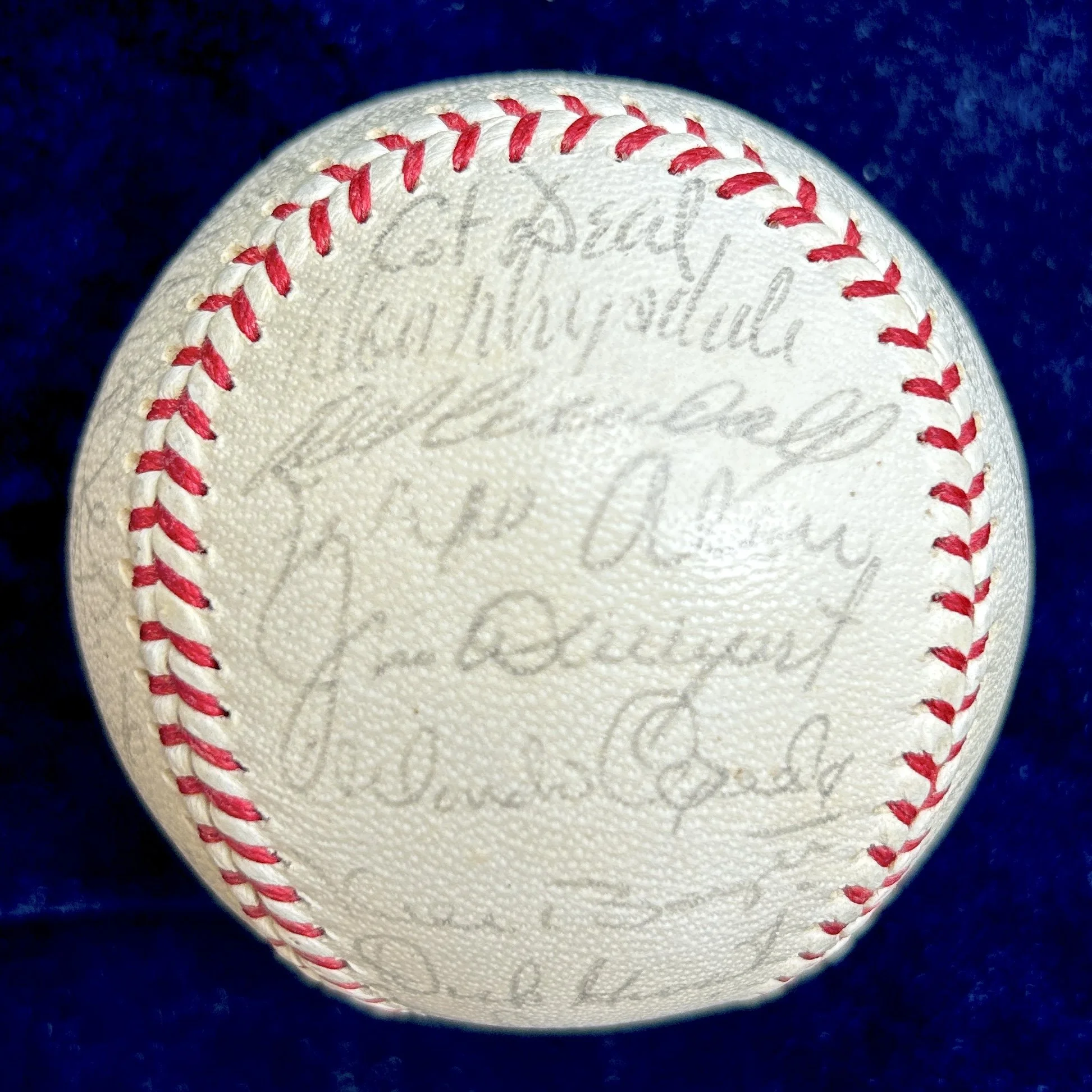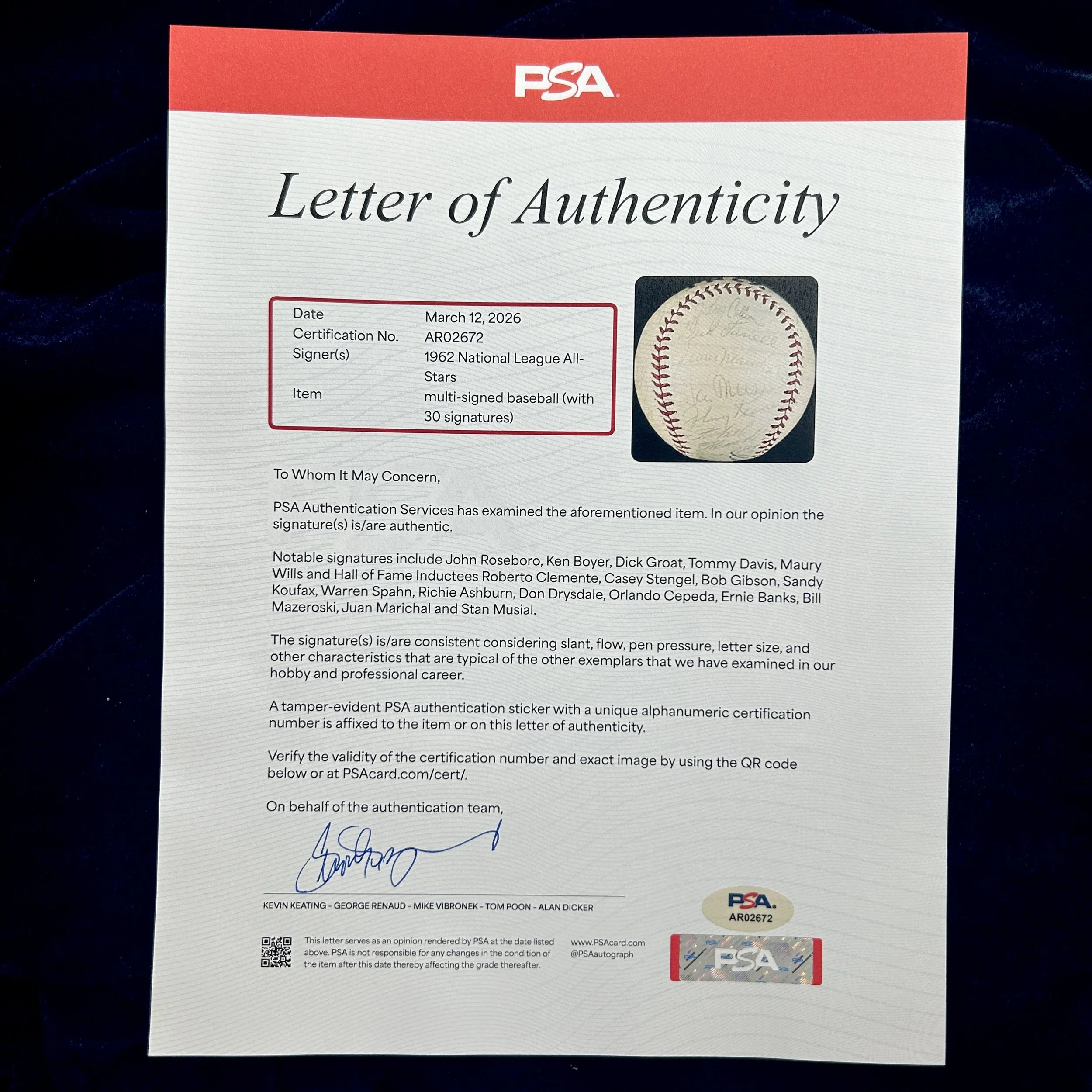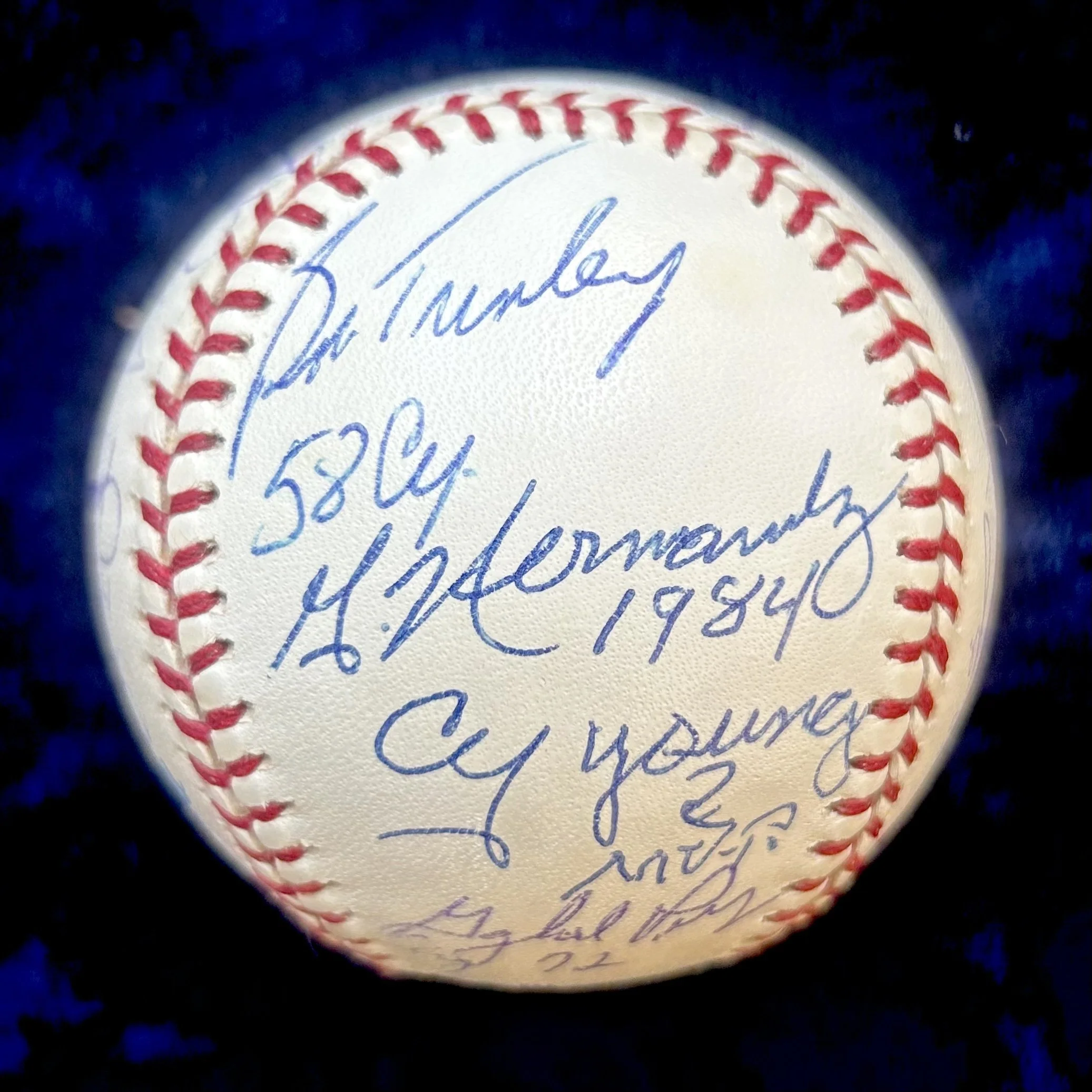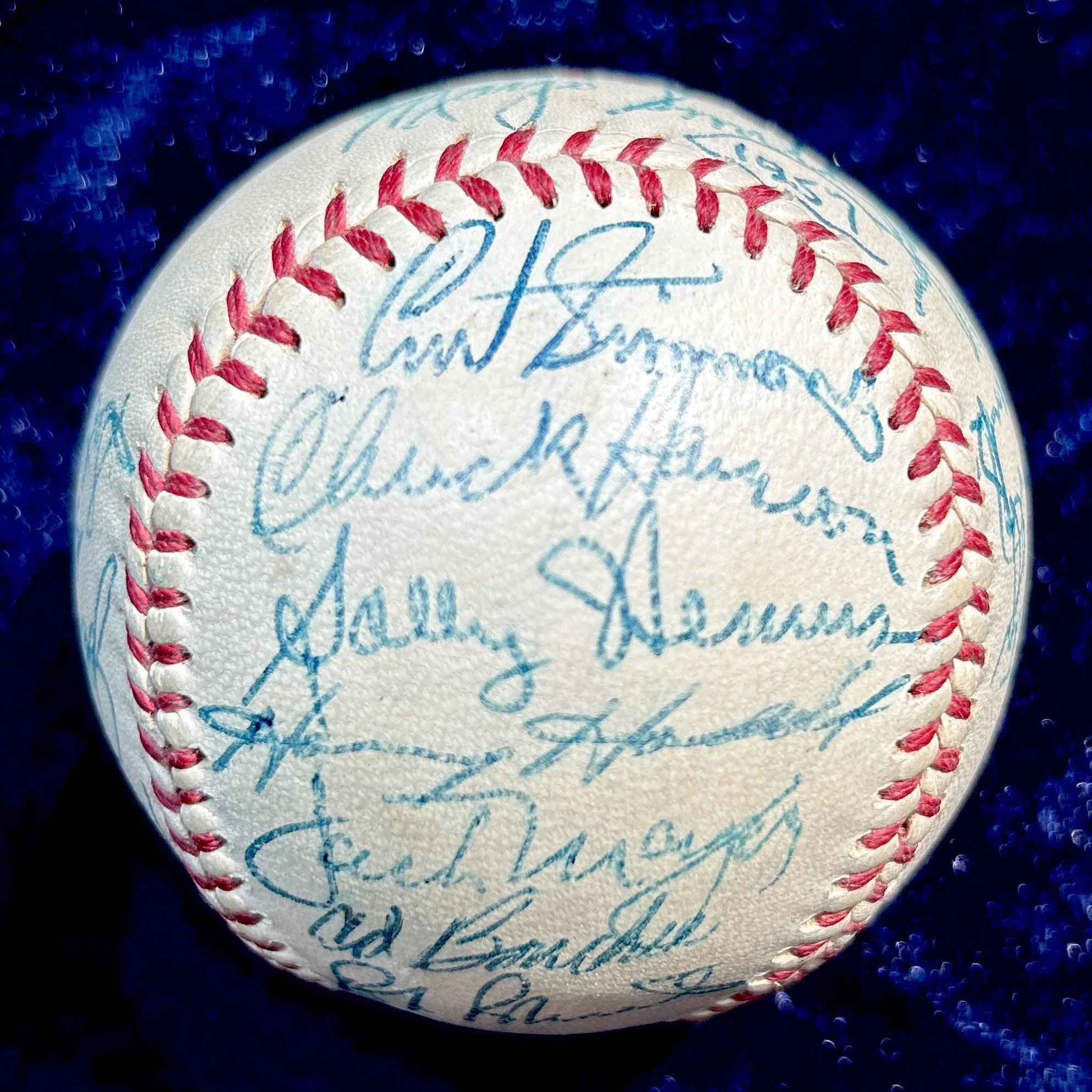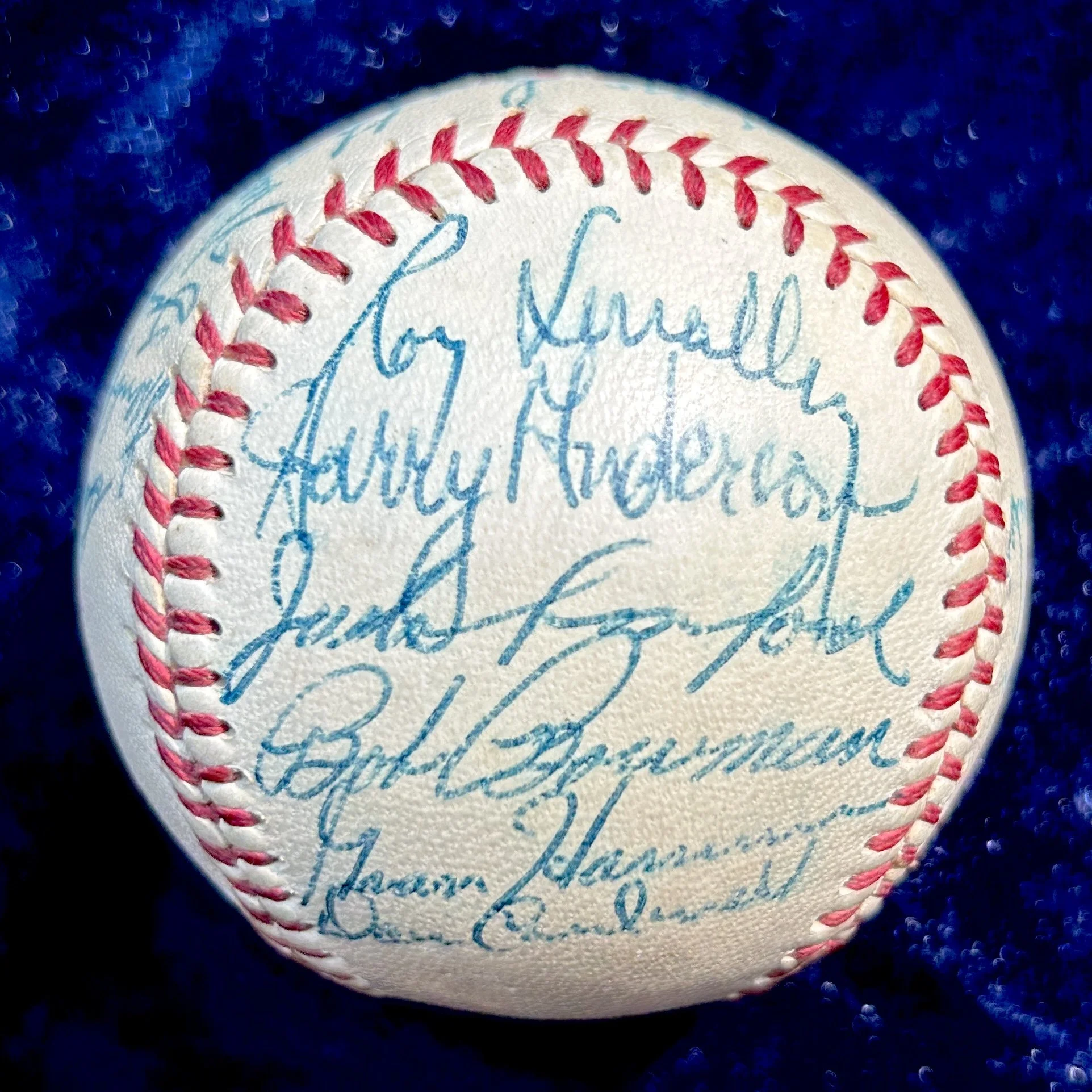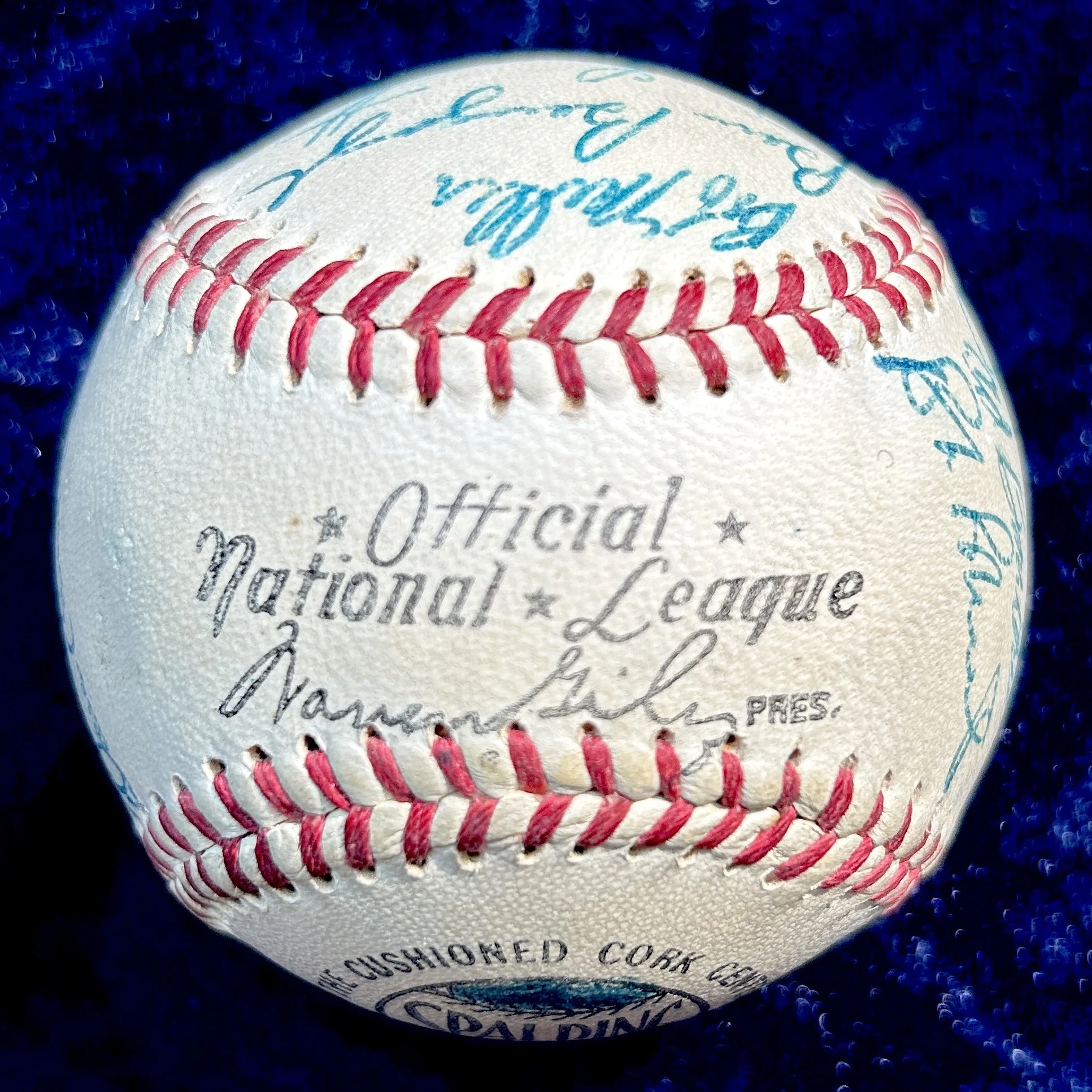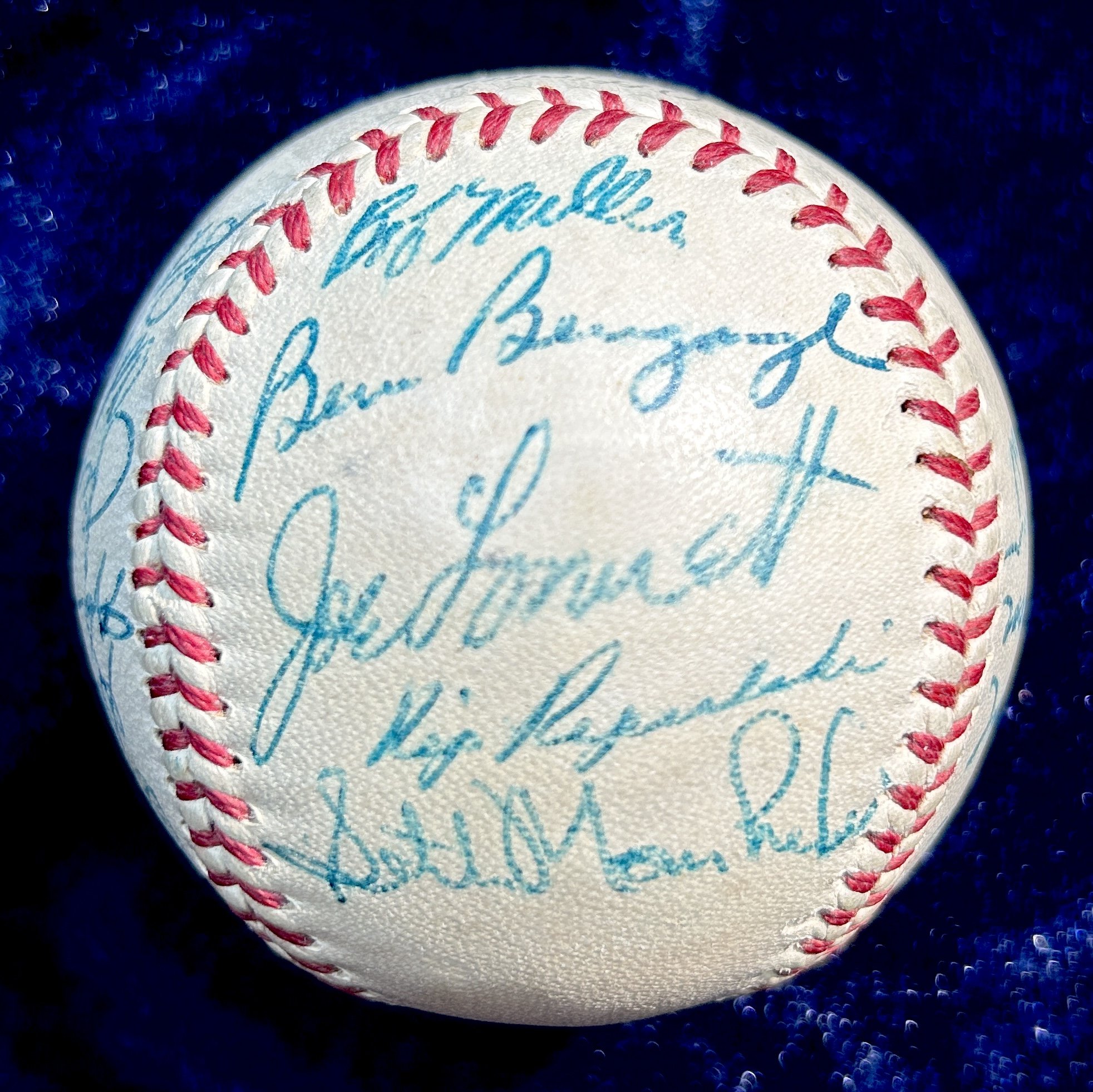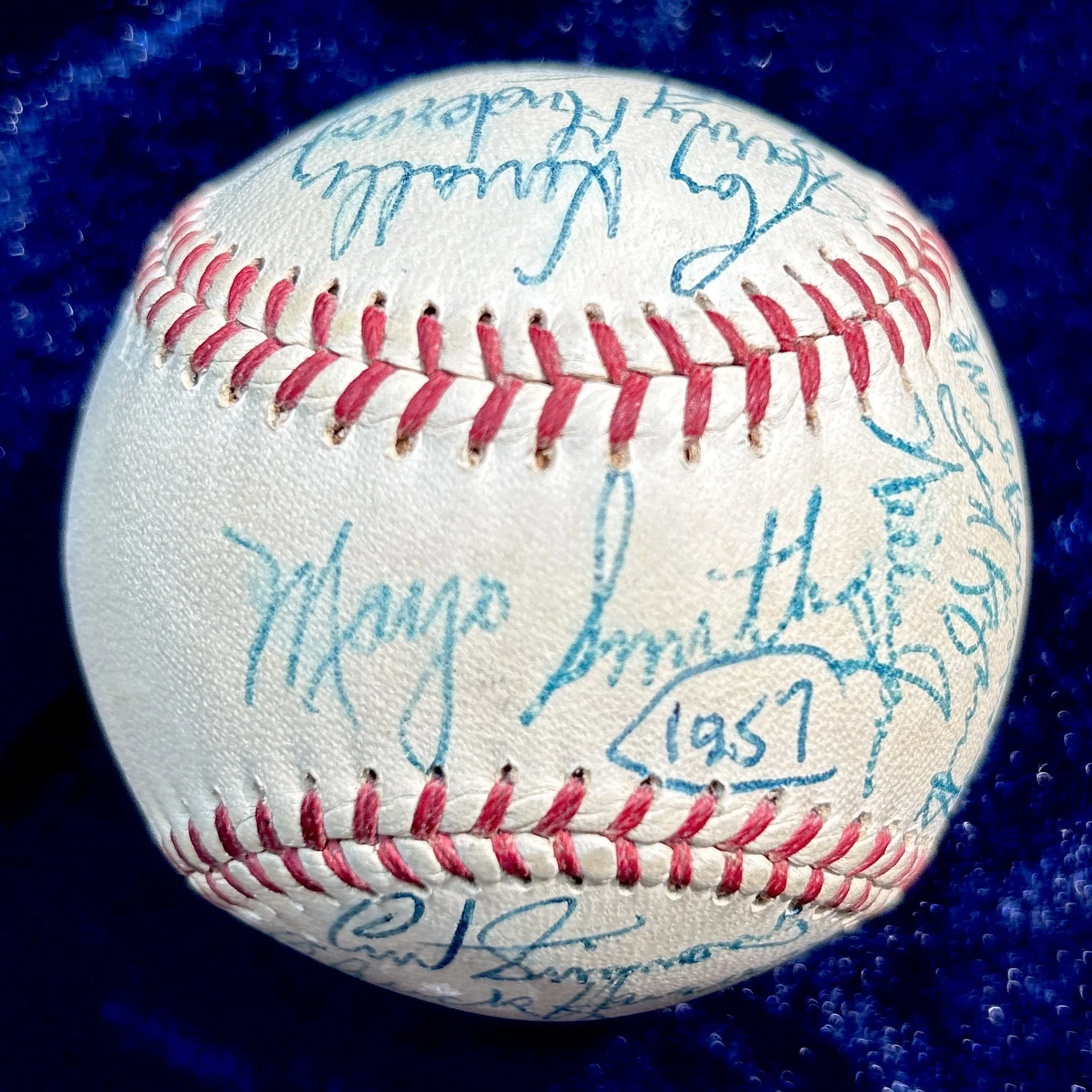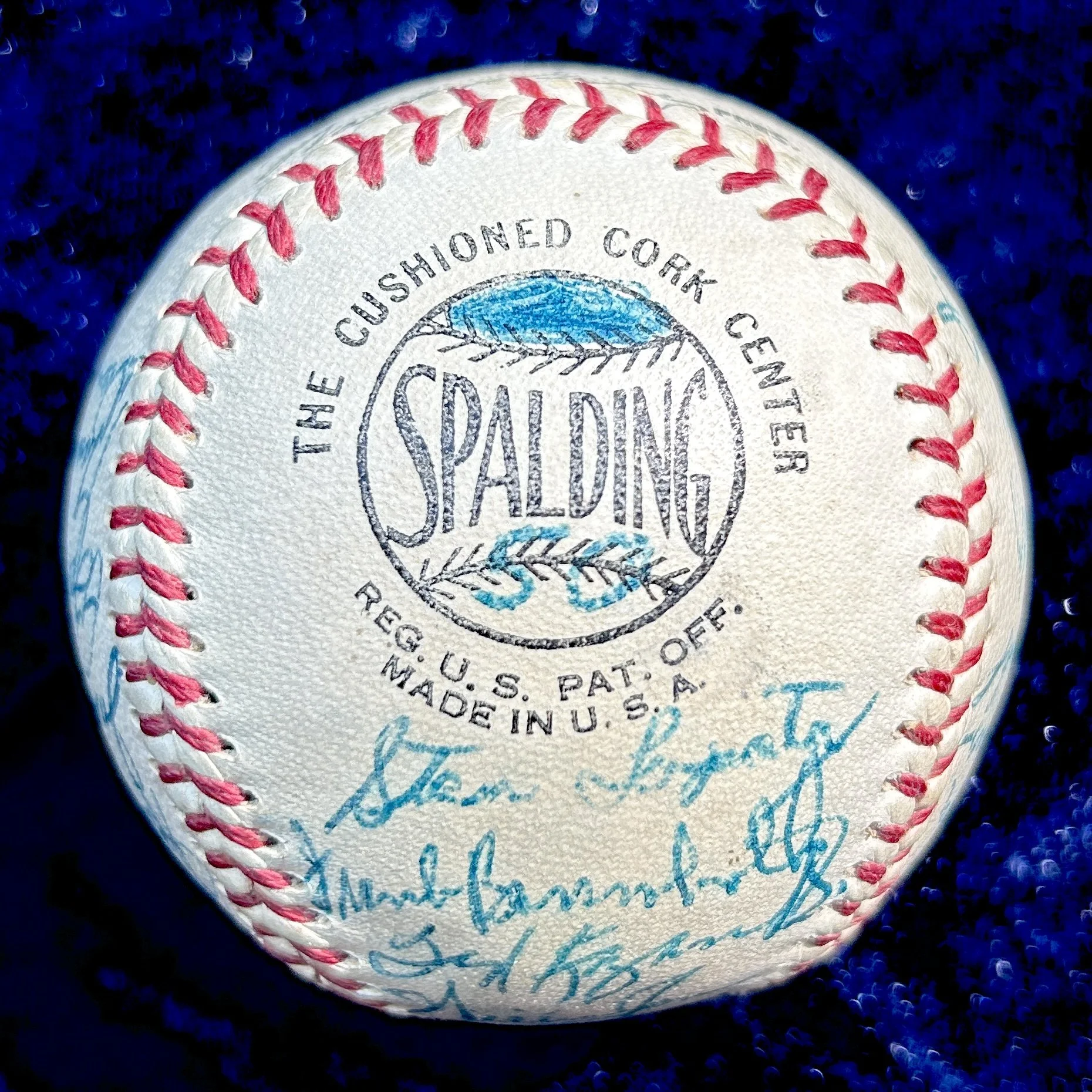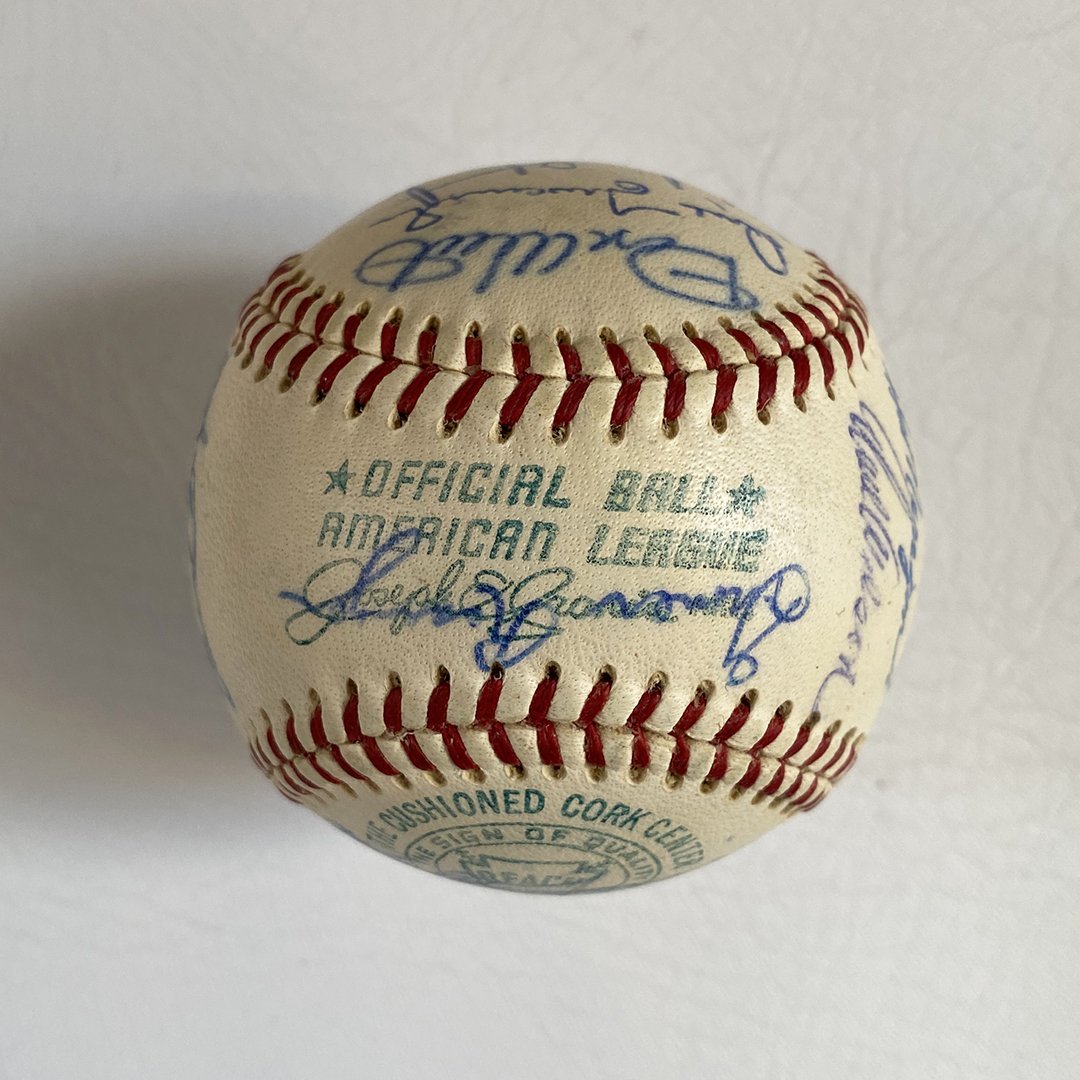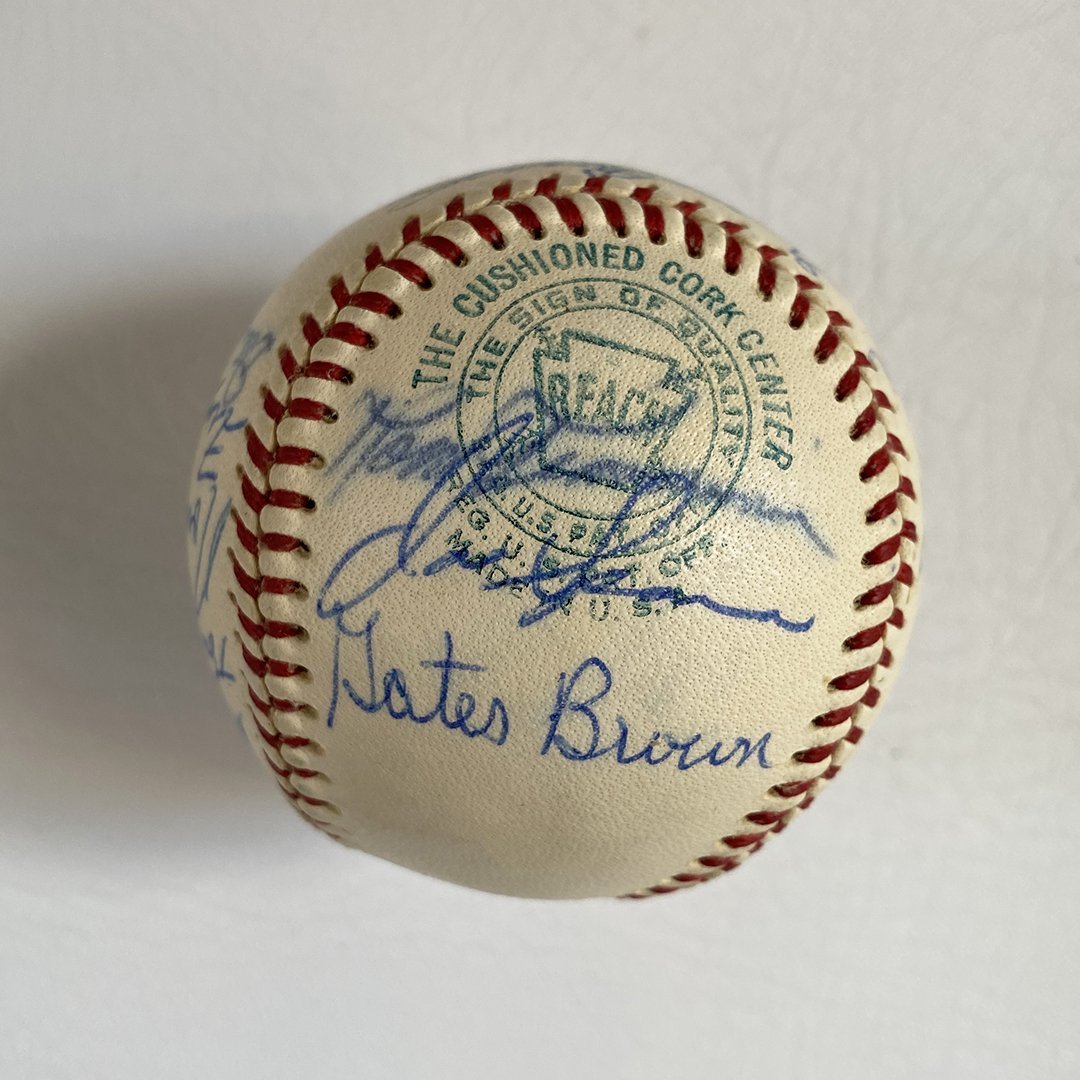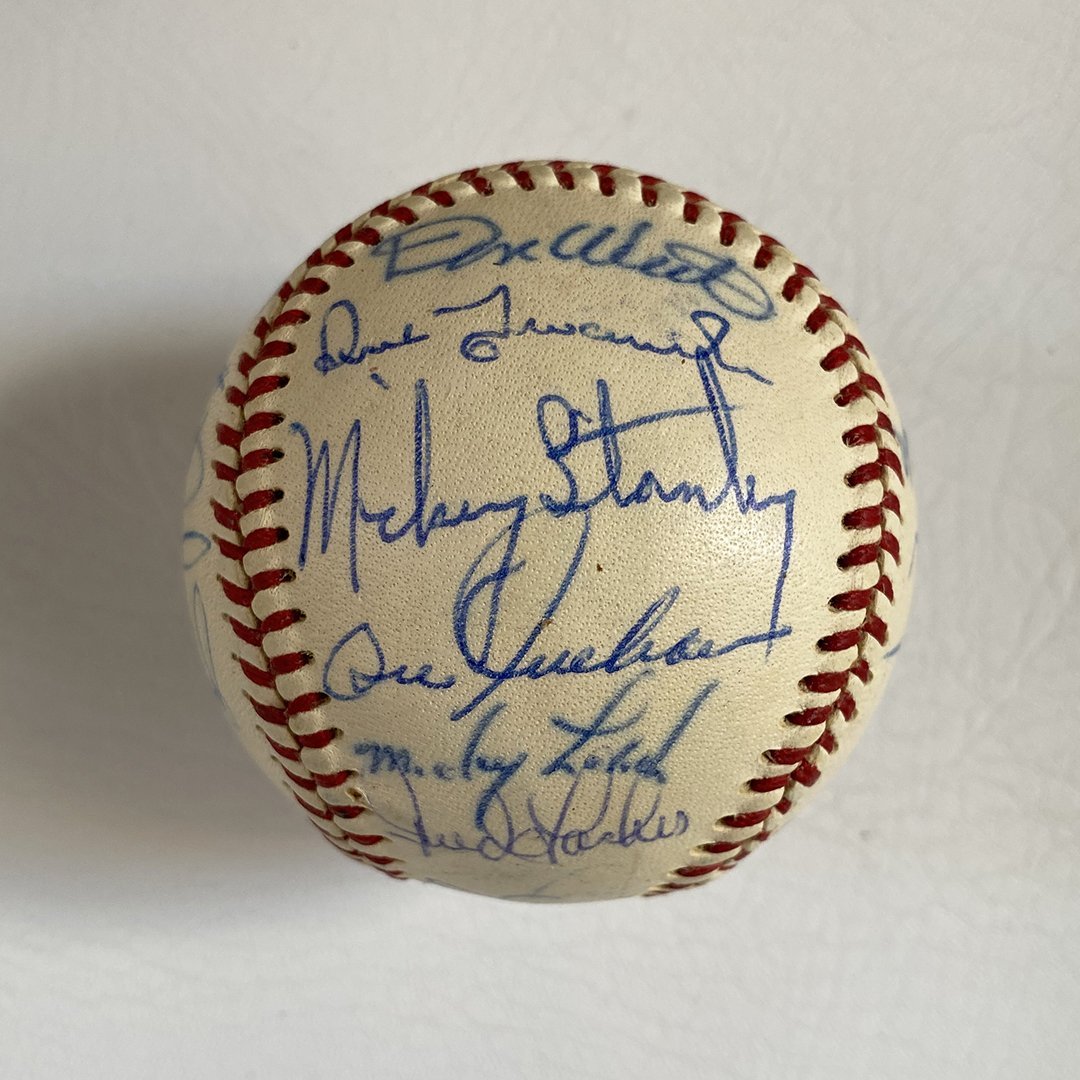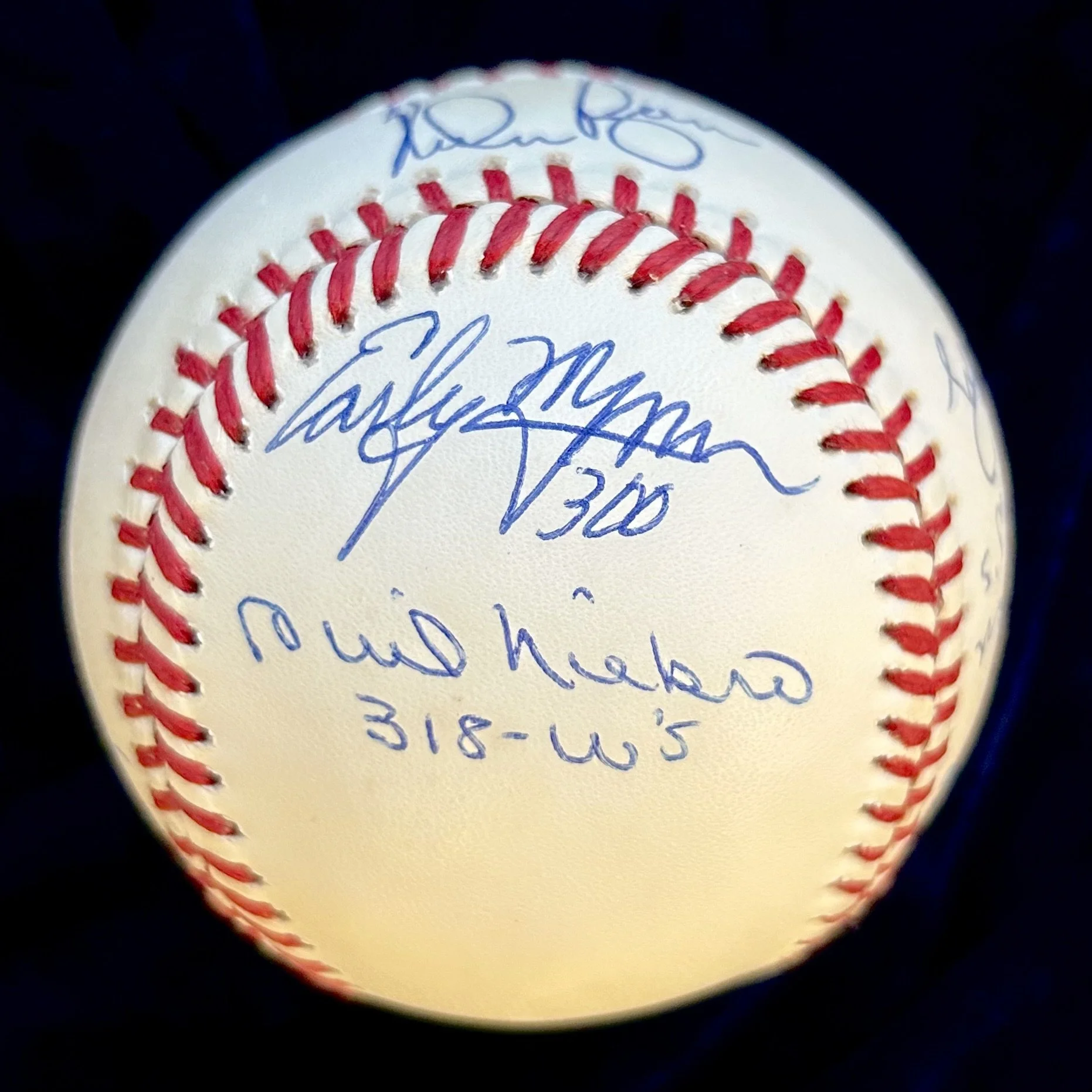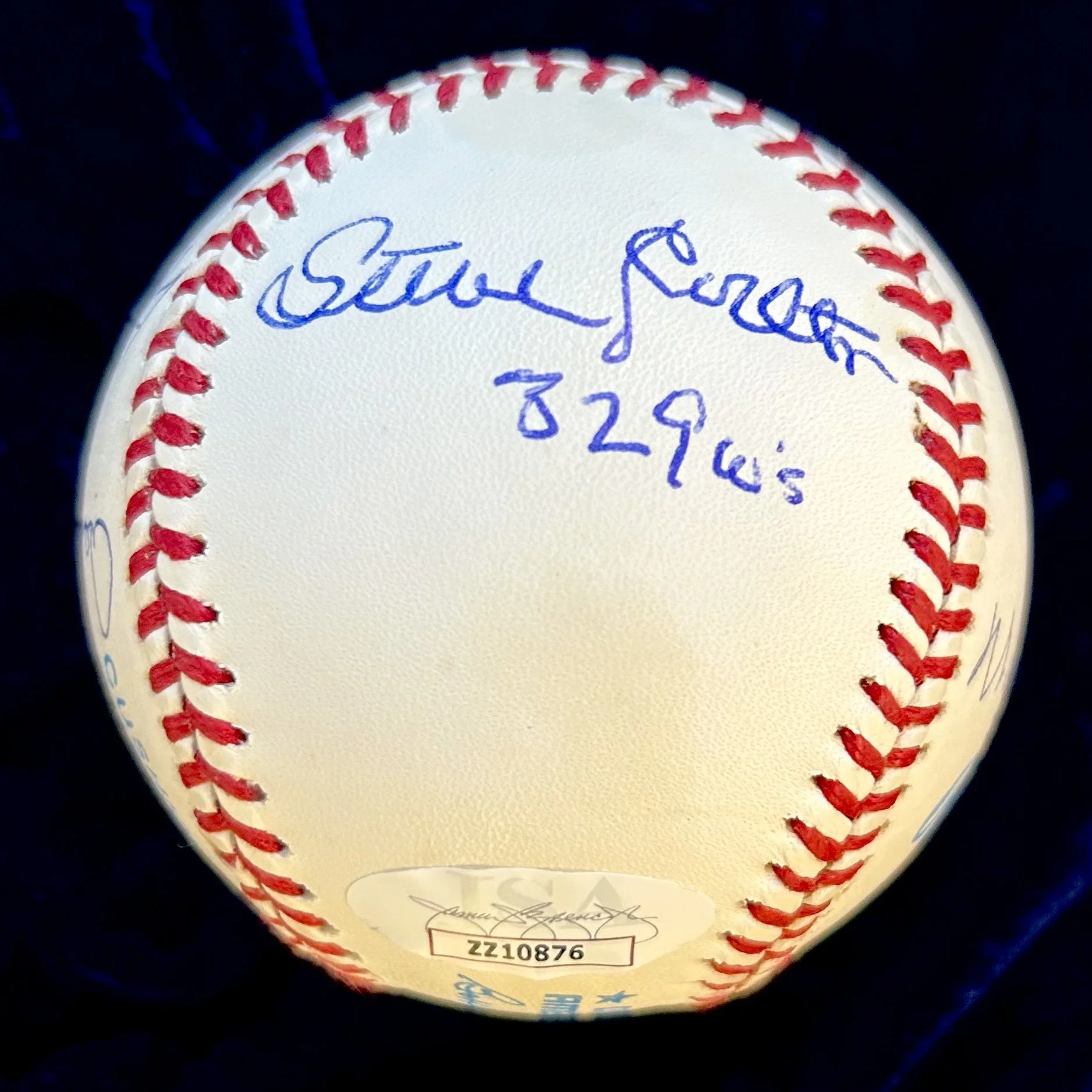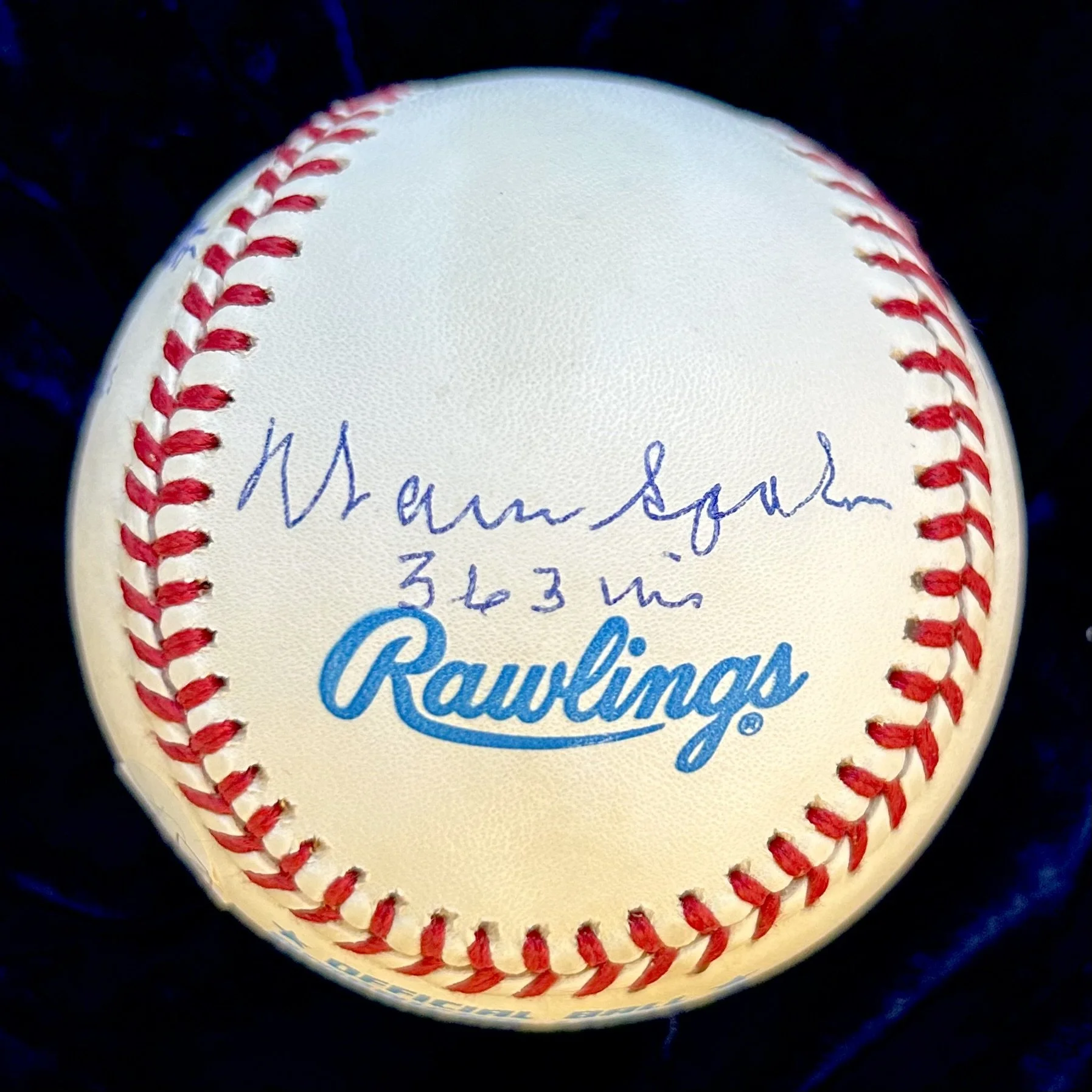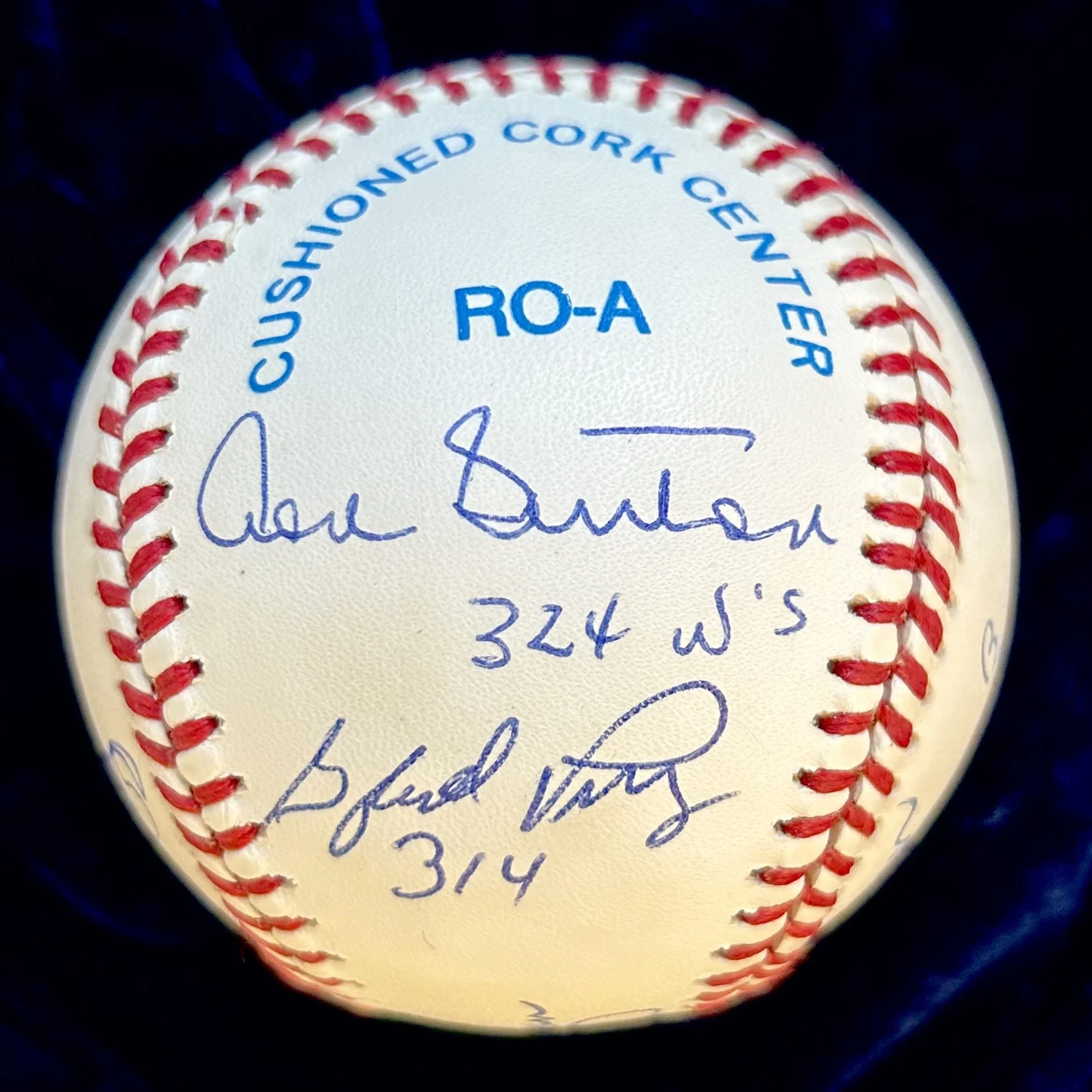
1962 National League All-Stars Multi-Signed (30) Baseball. Clemente, Stengel, Koufax, Banks, Musial. PSA

$2,600.00

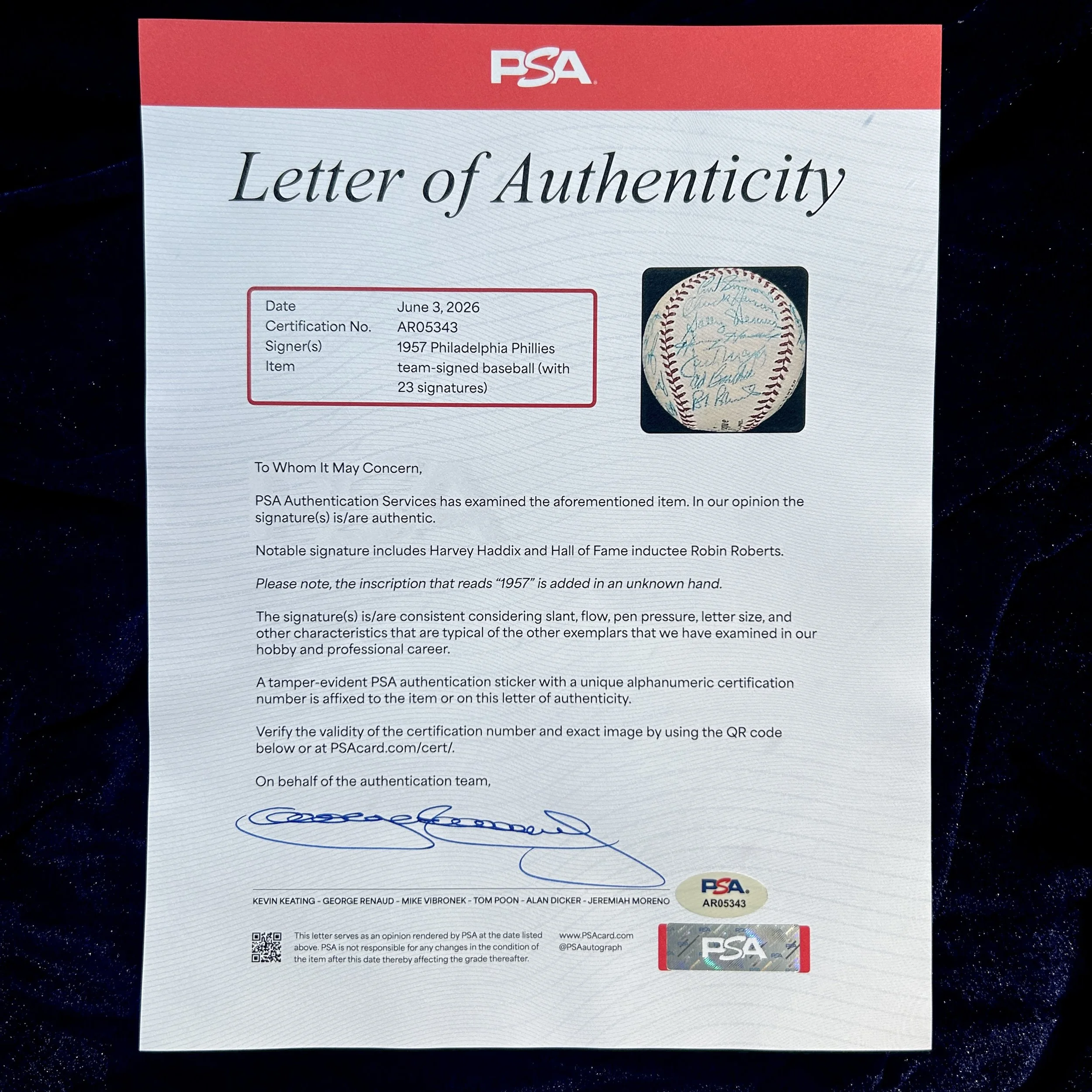
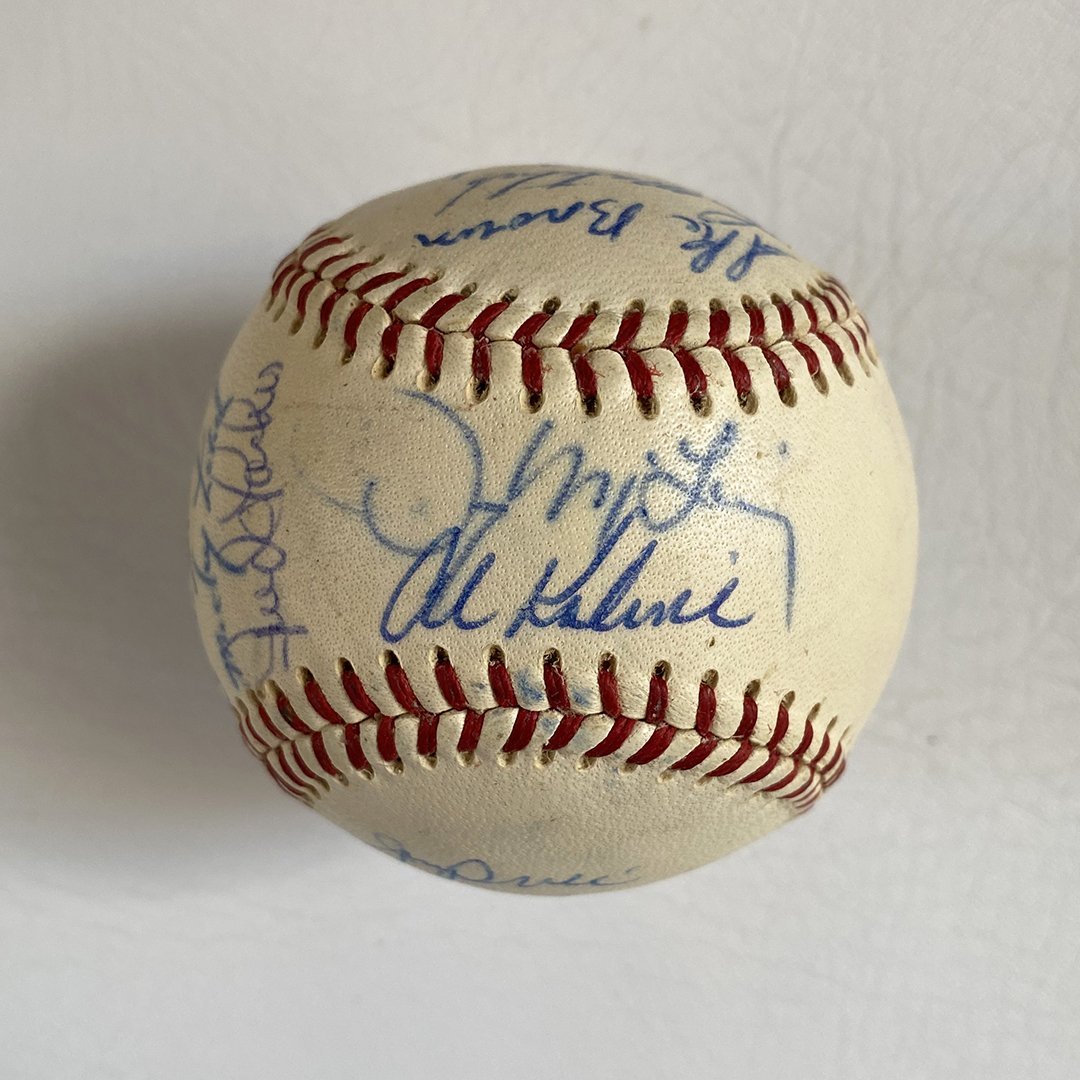
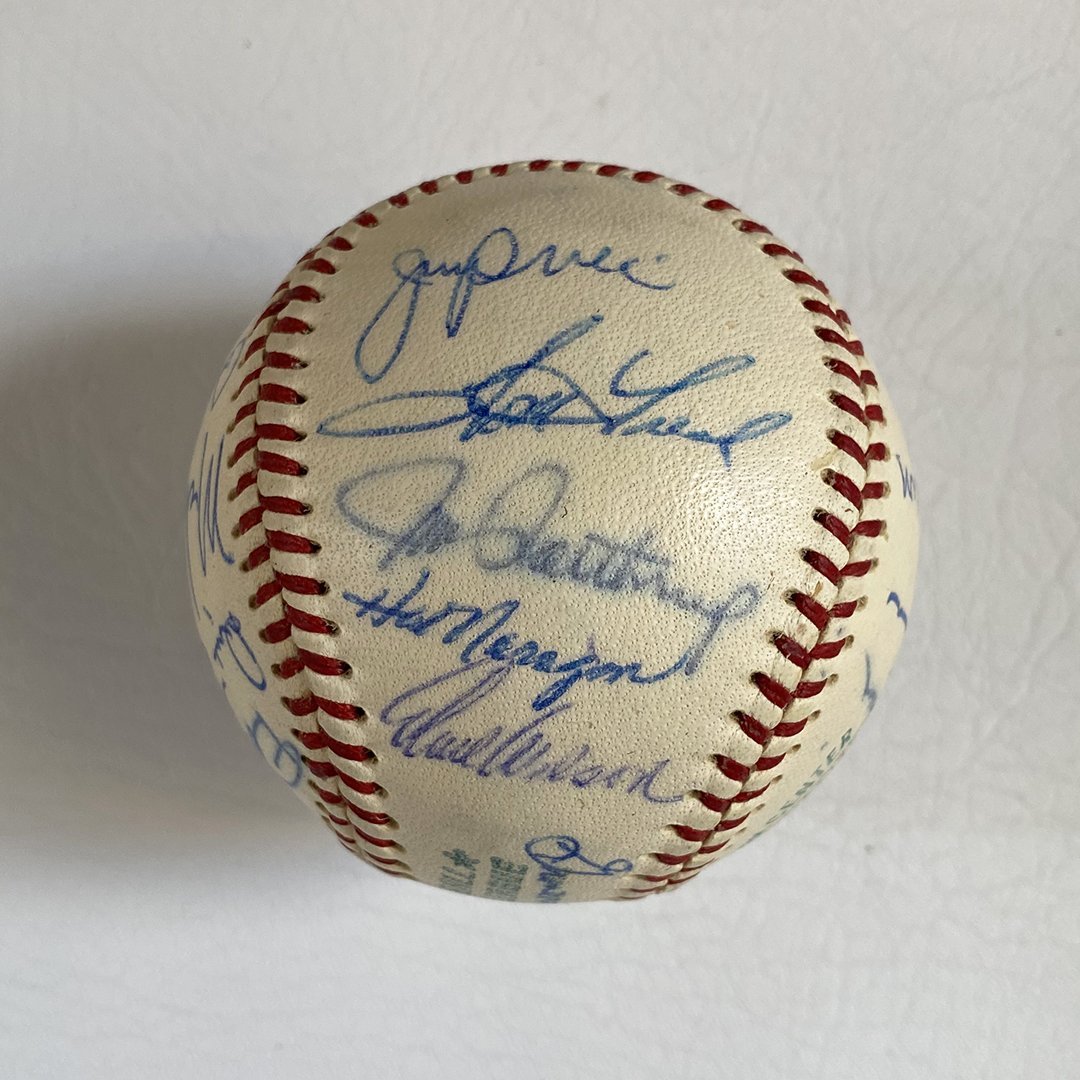
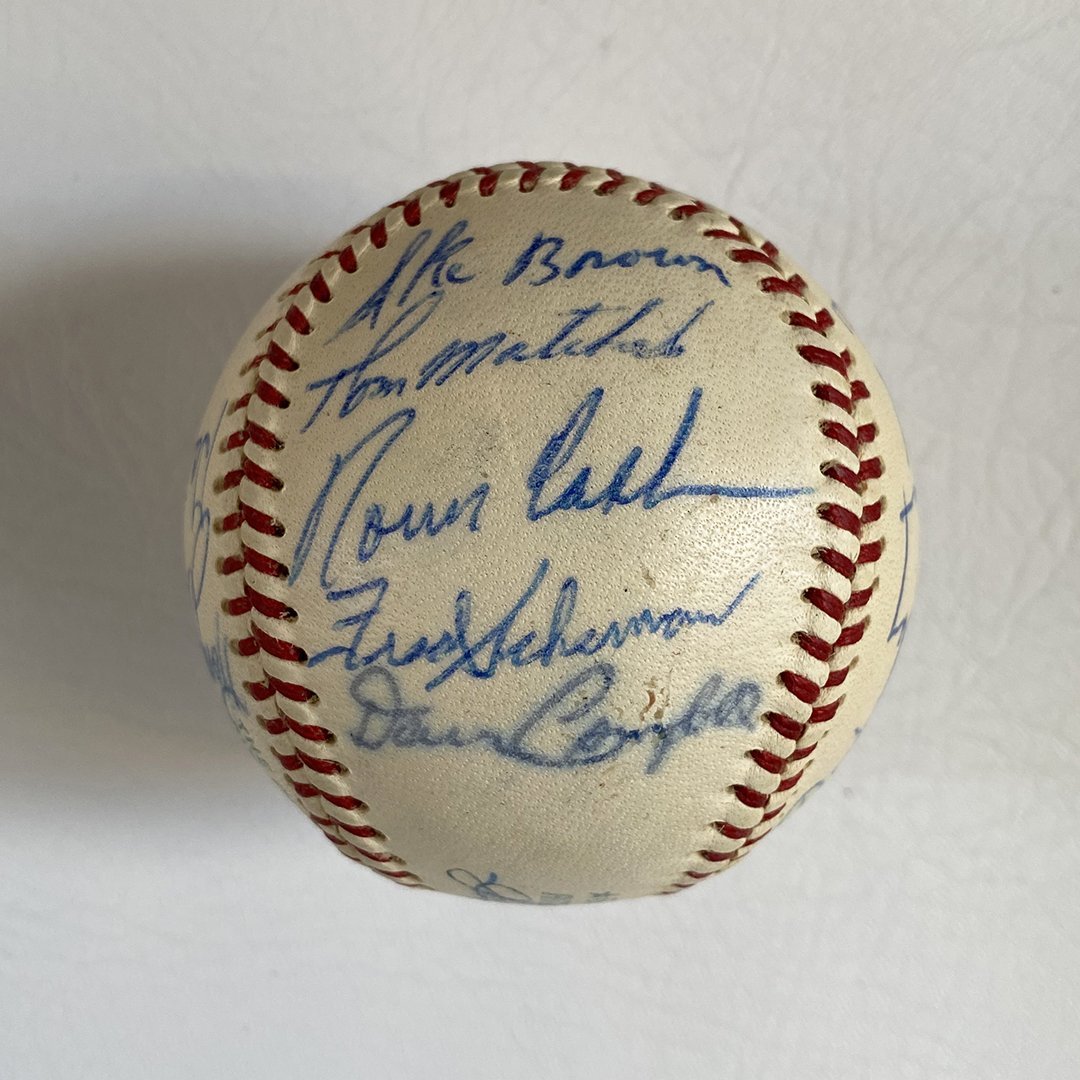
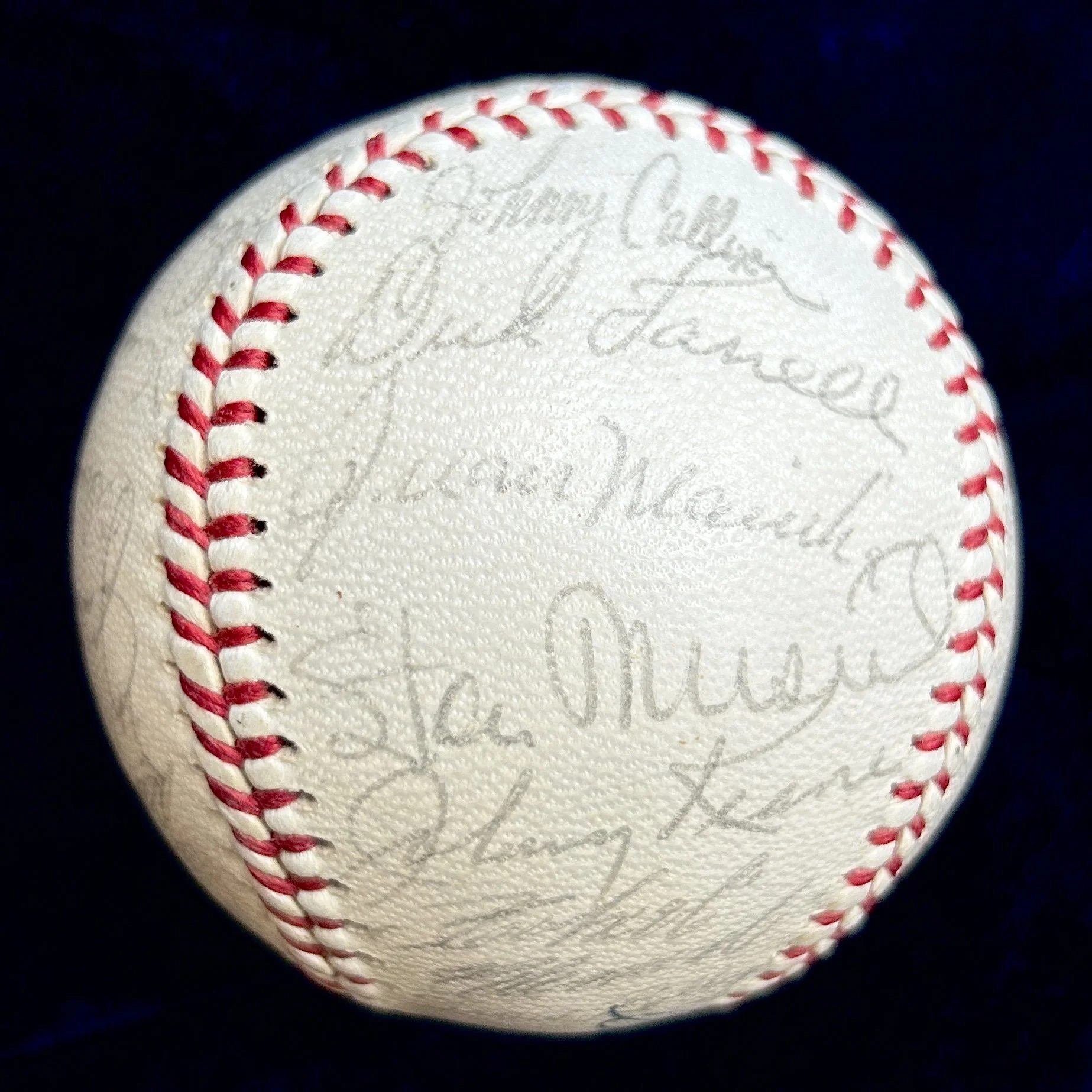
Official American League baseball signed in ink by 30 National League All-Stars. Signatures include Roberto Clemente, Casey Stengel, Bob Gibson, Sandy Koufax, Warren Spahn, Richie Ashburn, Don Drysdale, Orlando Cepeda, Ernie Banks, Bill Mazeroski, Juan Marichal, Stan Musial, John Roseboro, Ken Boyer, Dick Groat, Tommy Davis, and Maury Wills, among others. Includes a Letter of Authenticity from PSA. Housed in an acrylic display cube. 

The 1962 National League All-Star Game, played on July 30 at Wrigley Field in Chicago, ended in a 3–1 victory for the National League and marked a notable milestone in All-Star history. For the first time, Major League Baseball introduced the All-Star Game Most Valuable Player Award, adding a new layer of recognition to the midsummer classic. The inaugural honor went to Maury Wills of the Los Angeles Dodgers, whose speed and clutch play helped spark the NL offense. Featuring legends like Willie Mays and Stan Musial, the game also came during the final season in which MLB held two All-Star Games, closing a unique chapter in the sport’s history.

Official American League baseball signed in ink by 30 National League All-Stars. Signatures include Roberto Clemente, Casey Stengel, Bob Gibson, Sandy Koufax, Warren Spahn, Richie Ashburn, Don Drysdale, Orlando Cepeda, Ernie Banks, Bill Mazeroski, Juan Marichal, Stan Musial, John Roseboro, Ken Boyer, Dick Groat, Tommy Davis, and Maury Wills, among others. Includes a Letter of Authenticity from PSA. Housed in an acrylic display cube. 

The 1962 National League All-Star Game, played on July 30 at Wrigley Field in Chicago, ended in a 3–1 victory for the National League and marked a notable milestone in All-Star history. For the first time, Major League Baseball introduced the All-Star Game Most Valuable Player Award, adding a new layer of recognition to the midsummer classic. The inaugural honor went to Maury Wills of the Los Angeles Dodgers, whose speed and clutch play helped spark the NL offense. Featuring legends like Willie Mays and Stan Musial, the game also came during the final season in which MLB held two All-Star Games, closing a unique chapter in the sport’s history.

 
  • Willie Mays' Major League Baseball career started in the Negro Leagues with the Chattanooga Choo-Choos and the Birmingham Black Barons before joining the New York Giants at centerfield in 1951, and becoming the NL Rookie of the Year. After serving in the military for most of the 1952-1953 seasons, Mays made a triumphant return to baseball to lead the league with a .345 batting average and winning the National League MVP and the World Series in 1954.

    Nicknamed "The Say Hey Kid", Mays was one of greatest all around players baseball has ever seen. He finished his career batting over .300 (.303 lifetime), 12 Gold Glove Awards, winning his second NL MVP award in 1965, fifth all-time in career home runs (660), lead the league 4 times in both home runs and stolen bases, and one of only three players to record over 3000 career hits and 500 home runs.

    Mays was inducted into the National Baseball Hall of Fame in 1979, his first year of eligibility.